
Modern vs. Contemporary Furniture
In most people's minds, the words "modern," "modernism," and "contemporary" are interchangeable. In reality, they are quite distinct when applied to furniture, art, and fashion. While 'Modern' furniture refers to a specific design movement from the early to mid-20th century, 'Contemporary' furniture refers to the styles of the present day. We offer this brief discussion of Modern furniture as compared to Contemporary furniture, including historical perspective, as an introduction to help you understand why we have chosen this specific design niche.
Quick Comparison: Modern vs. Contemporary Furniture
| Feature | Modern Furniture | Contemporary Furniture |
|---|---|---|
| Timeline | Early to Mid-20th Century (1900s–1970s) | The "Now" (Current and future-facing) |
| Philosophy | "Form follows function"; a fixed design movement | Constantly evolving; focused on current trends |
| Materials | Natural wood, leather, molded plywood, steel | Varied; high-tech plastics, glass, stone, recycled materials |
| Aesthetic | Clean lines, geometric, warm/earthy tones | Fluid lines, bold contrasts, minimalist or "of-the-moment" |
| Core Style | Mid-Century Modern, Bauhaus, Scandinavian | Sustainable, Industrial, Ultra-Minimalist |
The furniture designs found on this website are from the Modernism Movement, spanning from 1918 to 1970. Most people refer to this subset as Modern Classics, as they are iconic pieces conceptualized by some of the greatest designers in history. At Modern Classics Furniture, we focus tightly on this niche so we can concentrate on producing the highest quality Modern Classic furniture at affordable prices.
Birth of Modernism
"Modernism was not just a style, but a complete break from the past—trading the heavy ornamentation of the 19th century for the clean, functional lines of the machine age."
Modernism emerged in the early 20th century (circa 1910) as new creative forces sought innovation, originality, and simplicity. There was a desire to eliminate the excessive ornamentation of Victorian designs and incorporate new construction technology. The movement is loosely defined by its break with classical forms, continuing through the mid-20th century. The following chart depicts the evolution of the modern movement.
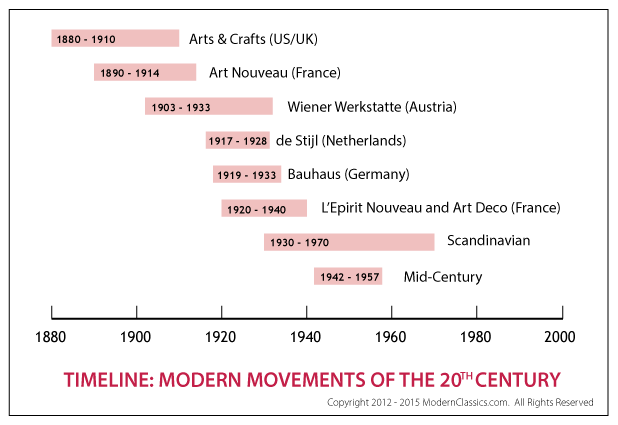
Evolution of Modernism: 1910 – 1970
The Evolution of Modern Furniture
After World War I, Europe saw the first conception of the Modernism movement. This War changed people’s perceptions about cultural values and traditions. They began to challenge the traditional manufacturing methods and materials, embracing the new. This early Modern Movement could be seen throughout the world, but in particular, Germany, France, Denmark and Italy. Each country had its own history and evolution of the style and designs of Modernism, with varying uses of the materials popular within their respective countries. For example, Denmark used wood, Germany and France favored steel, etc.
By 1930, Modernism had become a recognized and well-accepted design style. Because they were based on industrial production techniques, modern materials (e.g., chrome, steel and glass) and rectilinear geometry, manufacturers producing these simple and practical forms achieved better economies and efficiency in production and materials.
At ModernClassics.com, we focus on making and selling furniture designs from four primary movements of modernism: Bauhuas, Nouveau, Scandinavian and Mid-Century Modern.
Bauhaus Modern
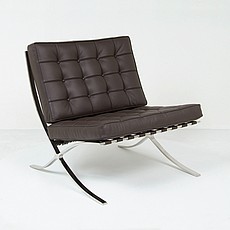
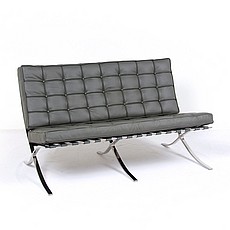
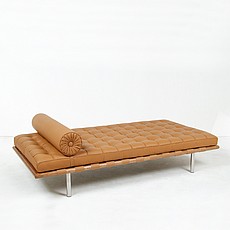
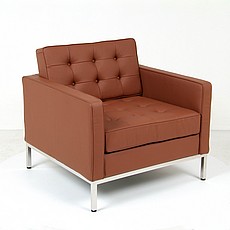
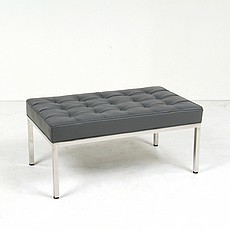
The Bauhaus period (1917 to 1933) marked the beginning of the modern movement. Germany's Bauhaus School defined this shift toward the modern and gave rise to legendary designers, including Walter Gropius, Mies van der Rohe, and Marcel Breuer. Although the school closed in 1933, its designers promoted new technologies and social ideals to create a whole new aesthetic based on form and function. Here are our top selling products from this era:
Top Bauhaus Modern Classics: (View All Our Bauhaus Modern Products)
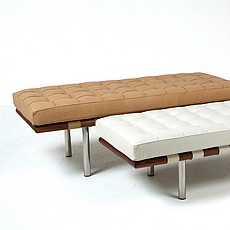
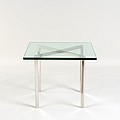
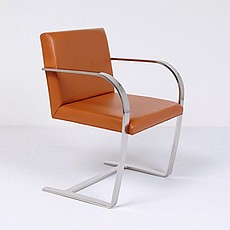
Nouveau Modern
In 1925 in France, Le Corbusier was promoting his L’Epirit Nouveau modern design style at the Paris Exhibition called the Pavilion de L’Esprit Nouveau. In 1929, at the Salon d’Automne, le Corbusier, along with Charotte Perriand, Pierre Jeanneret, created sculptured furniture using tubular steel, hide and canvas upholstery and glass. At the time, these designs were so radical they were not immediately successful. Eileen Gray also worked during this period as well. Here are our top selling products from this era:
Top Selling Nouveau Modern Classics(View All Our Nouveau Modern Products)
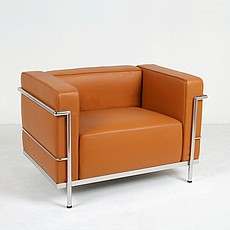
Scandinavian Modern
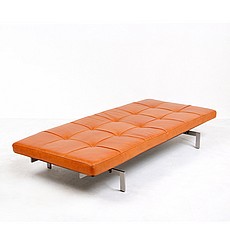
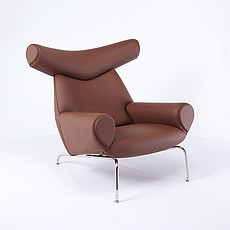
Just prior to World War II, the Scandinavian countries (Denmark, Sweden, Norway, Finland and Iceland) were formulating their own sense of modernism, with their innovative designs of uncompromising quality. The Modernist approach in these countries grew out the traditions in each of their respective countries; for example, the Swedes used lighter woods, the Danes deep rich mahogany. The early designs of Scandinavian Modern incorporated their traditional woods, joinery and framework techniques and applied modern lines and tools to create the universally appealing Scandinavian designs. Some of the best known Scandinavian Mid Century furniture designers of the Scandinavian Modern era include Hans Wegner, Arne Jacobsen, Poul Kjaerholm and Borge Morgensen; all of whose furniture designs we are working to replicate at the highest quality at affordable prices. Here are our top selling products from this era:
Top Selling Scandinavian Modern Classics(View More of our Scandinavian Modern Products)
Mid-Century Modern
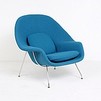
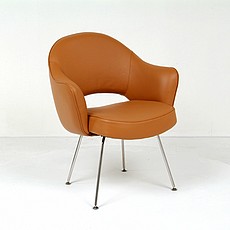
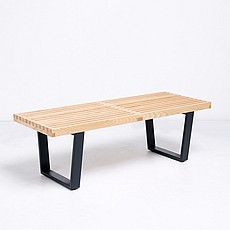
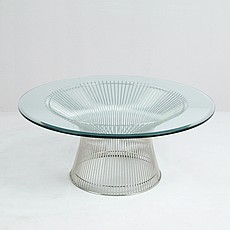
After World War Two, also saw the birth of another era of Modernism, now known as Mid-Century Modern. Designers throughout the rest of Europe and the United States were inspired by the softer form of Scandinavian Modern furniture and began creating a new breed of Modern Classics. The emphasis during this time was to produce furniture that was contemporary in design, yet durable; well made using the latest technologies; yet affordable. There was a move toward organic forms, pieces that were visually pleasing when viewed from any side, using new plastics and bold colored fabrics that were available for the first time. Some of the best known designers of the Mid-Century Modern era include Charles Eames, Eero Saarinen, George Nelson and Isamu Noguchi. Here are our top selling products from this era:
Top Selling Mid-Century Modern Classics(View More of our Mid-Century Modern Products)
Contemporary Furniture (The Evolving "Now")
While the "Modernism" movement has a fixed place in history, Contemporary design is fluid and ever-changing. It literally means "of the moment." However, much of what we consider high-end contemporary furniture today owes a massive debt to the Modernist pioneers of the 20th century. How Contemporary Borrows from Modernism:
- The Minimalist Foundation: The "Less is More" philosophy established by the Bauhaus school remains the gold standard for contemporary luxury.
- Material Innovation: Just as the Modernists pioneered the use of tubular steel and molded plywood, today's contemporary designers continue that spirit of innovation using sustainable composites and 3D-printed materials.
- Eclectic Blending: Many of today's most beautiful interiors are contemporary precisely because they blend different eras. A contemporary living room often features a "Modern Classic" piece—like a Womb Chair or a Barcelona Daybed—as a focal point, surrounded by current-trend textiles and lighting.
"While contemporary design is what is happening now, Modern Classics provide the timeless foundation that makes today's interiors work."
Frequently Asked Questions
It is technically Modern. Mid-Century Modern is a specific subset of the broader Modernism movement that peaked between the 1940s and 1960s. While these designs are still popular today, "Modern" refers to that specific historical era, whereas "Contemporary" refers to styles being created right now.
Modernist pioneers, particularly from the Bauhaus school, wanted to embrace industrial materials that could be mass-produced. Materials like tubular steel, chrome, and glass represented the "machine age" and a clean break from the hand-carved, ornamental wood furniture of the Victorian era.
Absolutely. Most high-end interior designers use a contemporary approach to curate rooms that feature "Modern Classic" focal points. Iconic pieces like the Saarinen Womb Chair or the Barcelona Chair are considered timeless and act as perfect anchors for a room filled with current textiles, lighting, and art.